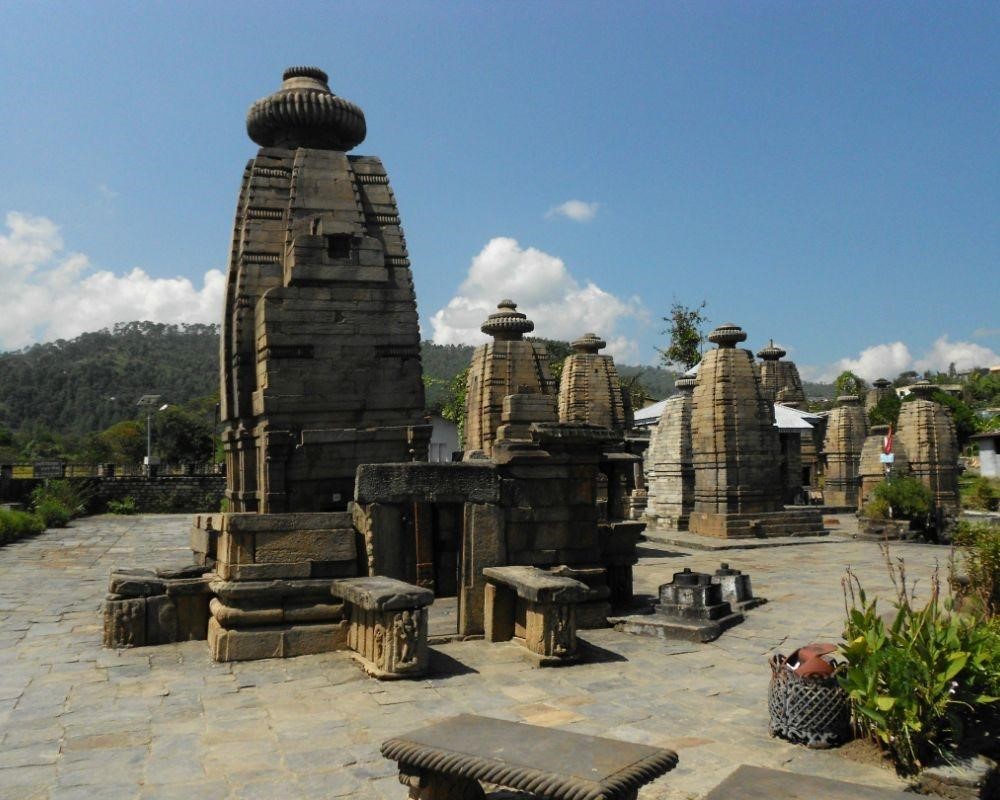
About Baijnath Group of Temples
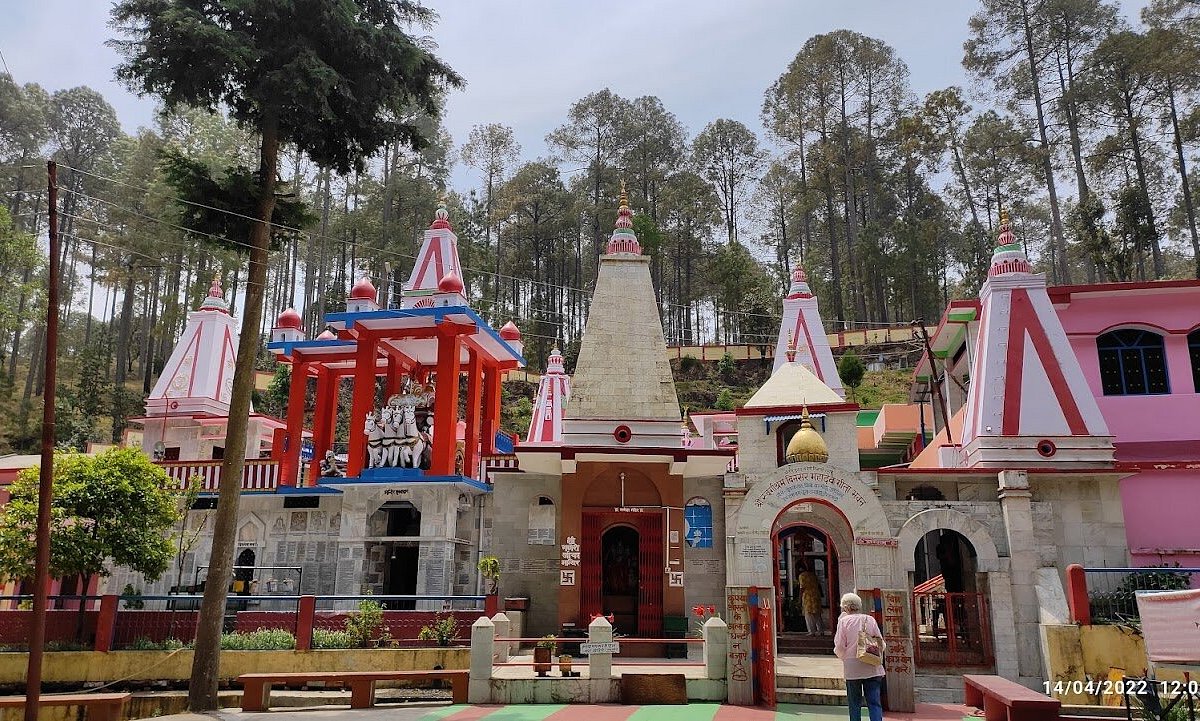
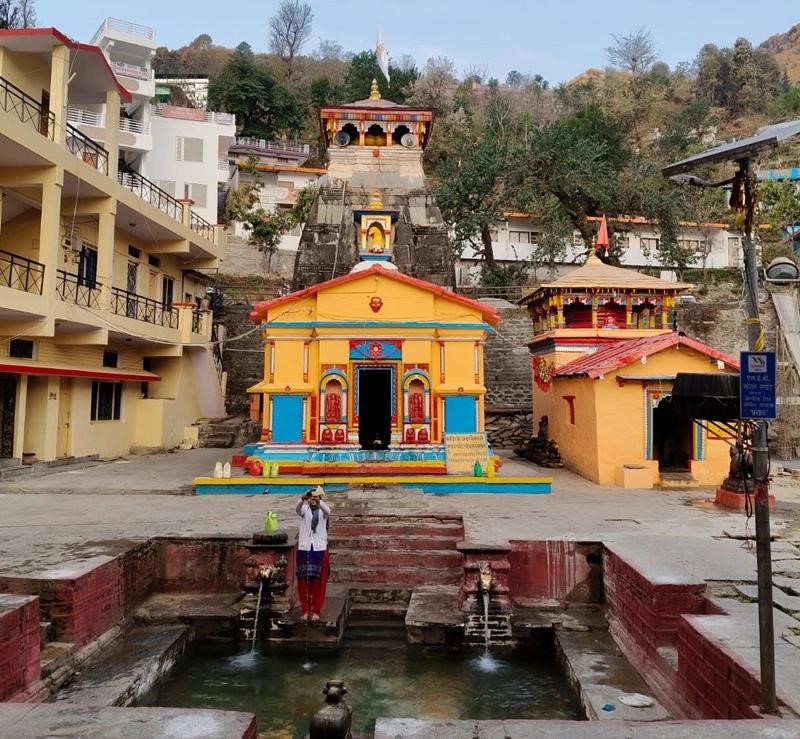
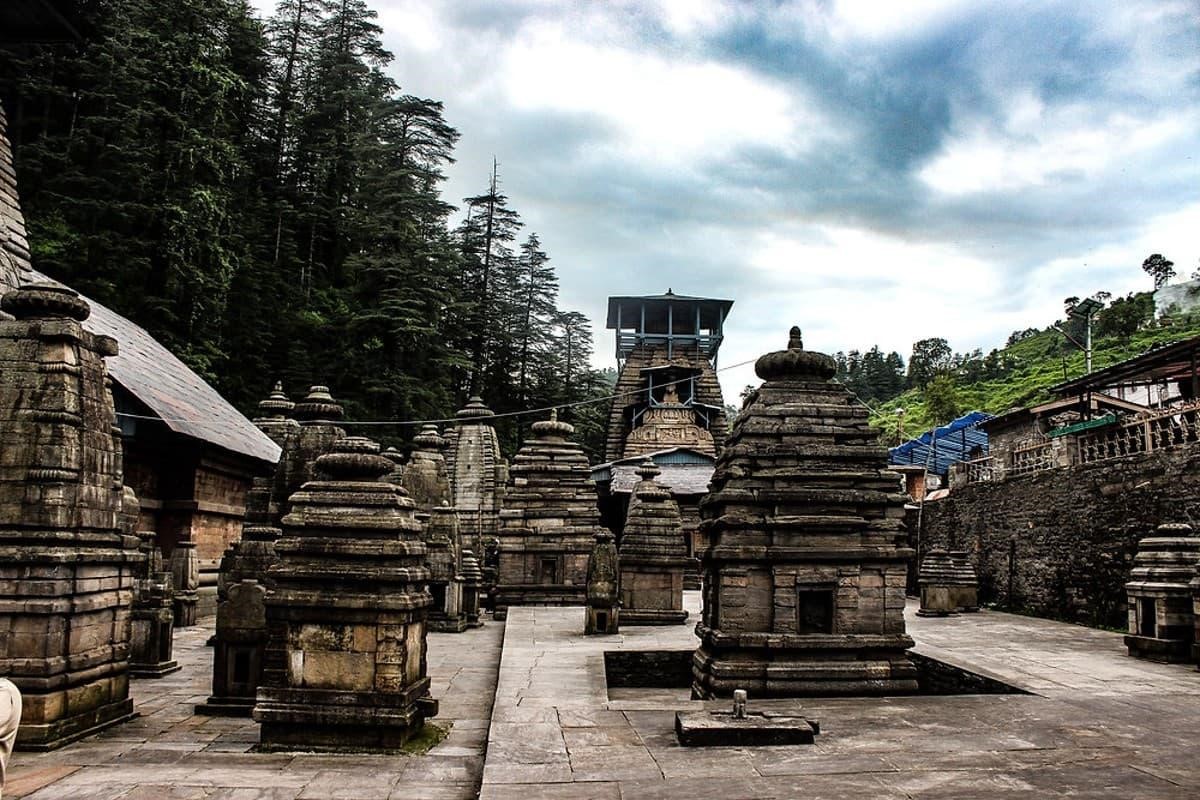
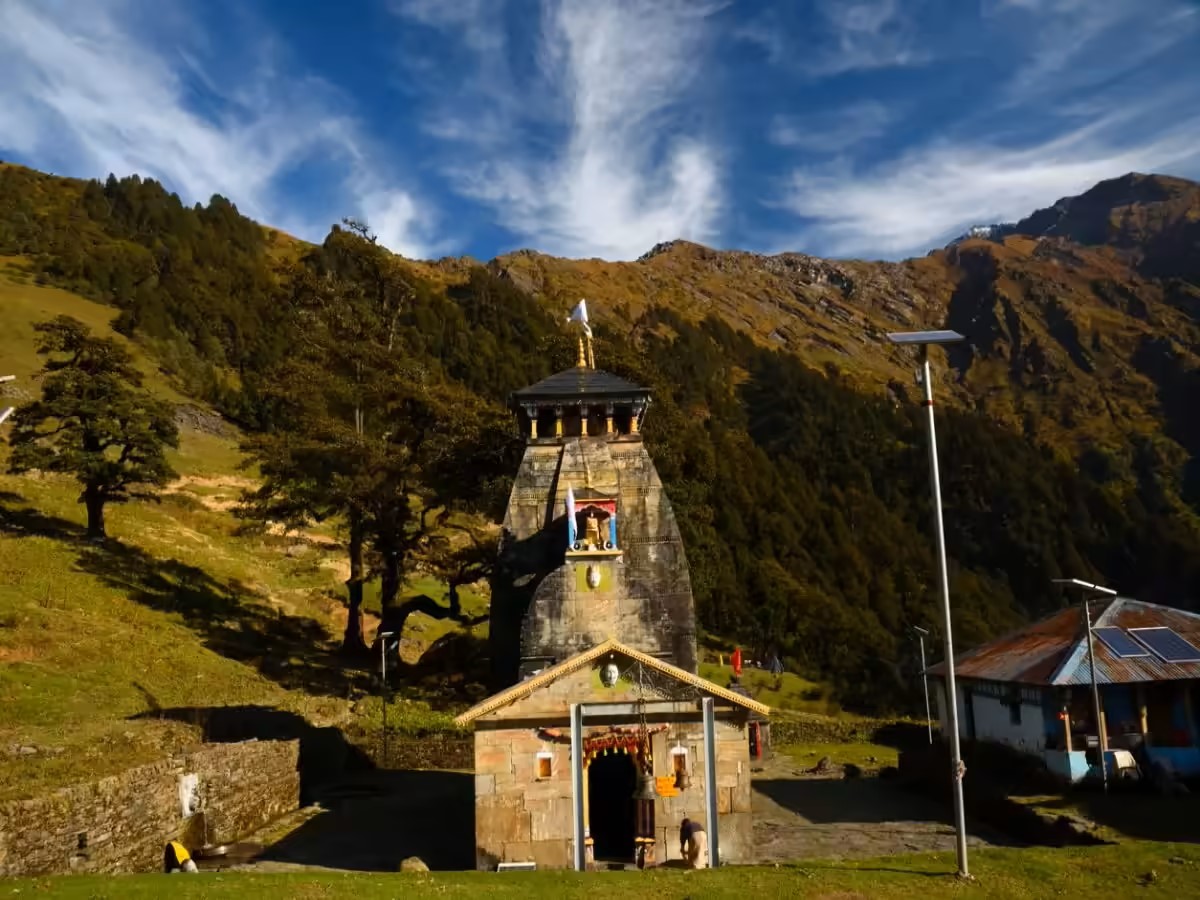
The temples are believed to have been built during the rule of the Katyuri dynasty, around the 9th to 12th centuries. According to local tradition, the site is associated with Lord Shiva and Goddess Parvati. The complex includes several shrines dedicated to different Hindu deities, with the main temple housing a Shiva lingam. Its detailed stone carvings and traditional architecture make it an important historical and religious landmark in the Kumaon Himalayas.
Highlights
· Religious Significance: The main temple is dedicated to Lord Shiva and is an important place of worship in the Kumaon region.
· Ancient Architecture: The temple complex is known for its traditional stone construction and detailed carvings associated with the Katyuri period.
· Multiple Shrines: The group includes several temples dedicated to different Hindu deities.
· Gomti River Setting: The temples stand near the Gomti River, adding to the peaceful atmosphere of the site.
· Historical Importance: The complex reflects the religious and architectural heritage of the Katyuri dynasty.
· Scenic Surroundings: The location offers views of the surrounding hills and the natural landscape of Bageshwar district.
Things to Know
· Location: Baijnath town, Bageshwar district, Uttarakhand.
· How to Reach: Baijnath is connected by road to Bageshwar, Kausani, and other towns in the Kumaon region. Taxis and local buses may be available depending on the route.
· Nearest Railway Station: Kathgodam is a major railway access point for visitors travelling to this region.
· Nearest Airport: Pantnagar Airport is the nearest major airport commonly used by travellers to the Kumaon region.
· Best Time to Visit: March to June and September to November are generally suitable periods for sightseeing, depending on weather conditions.
· Temple Visit: Explore the different shrines and observe the traditional stone carvings. Confirm local temple timings before visiting.
· Travel Tips: Carry comfortable footwear and allow time to explore the temple complex and nearby river area.
· Visitor Guidelines: Respect local religious customs, avoid touching or damaging historic carvings, and keep the temple premises clean.