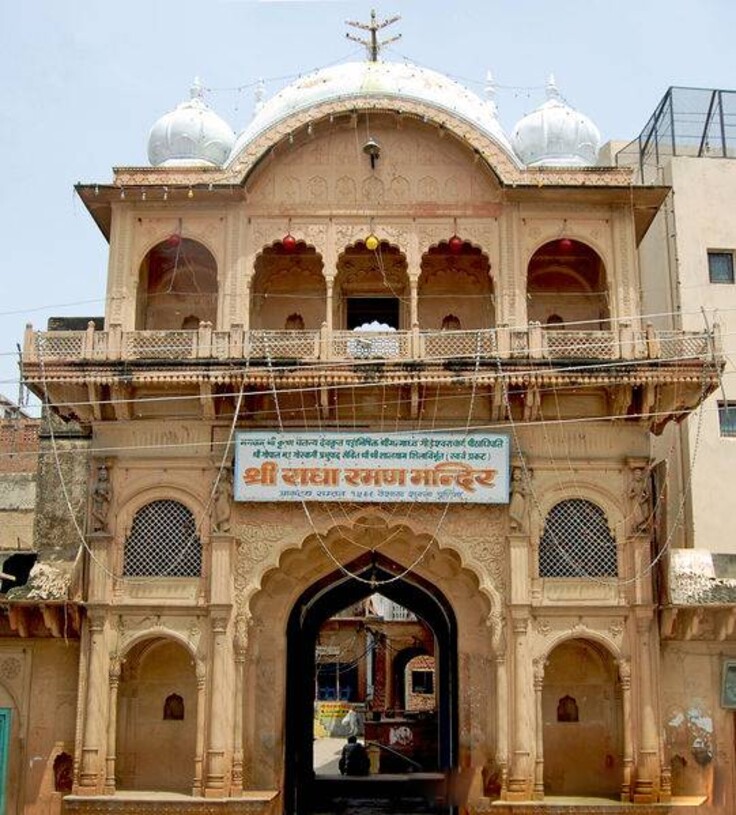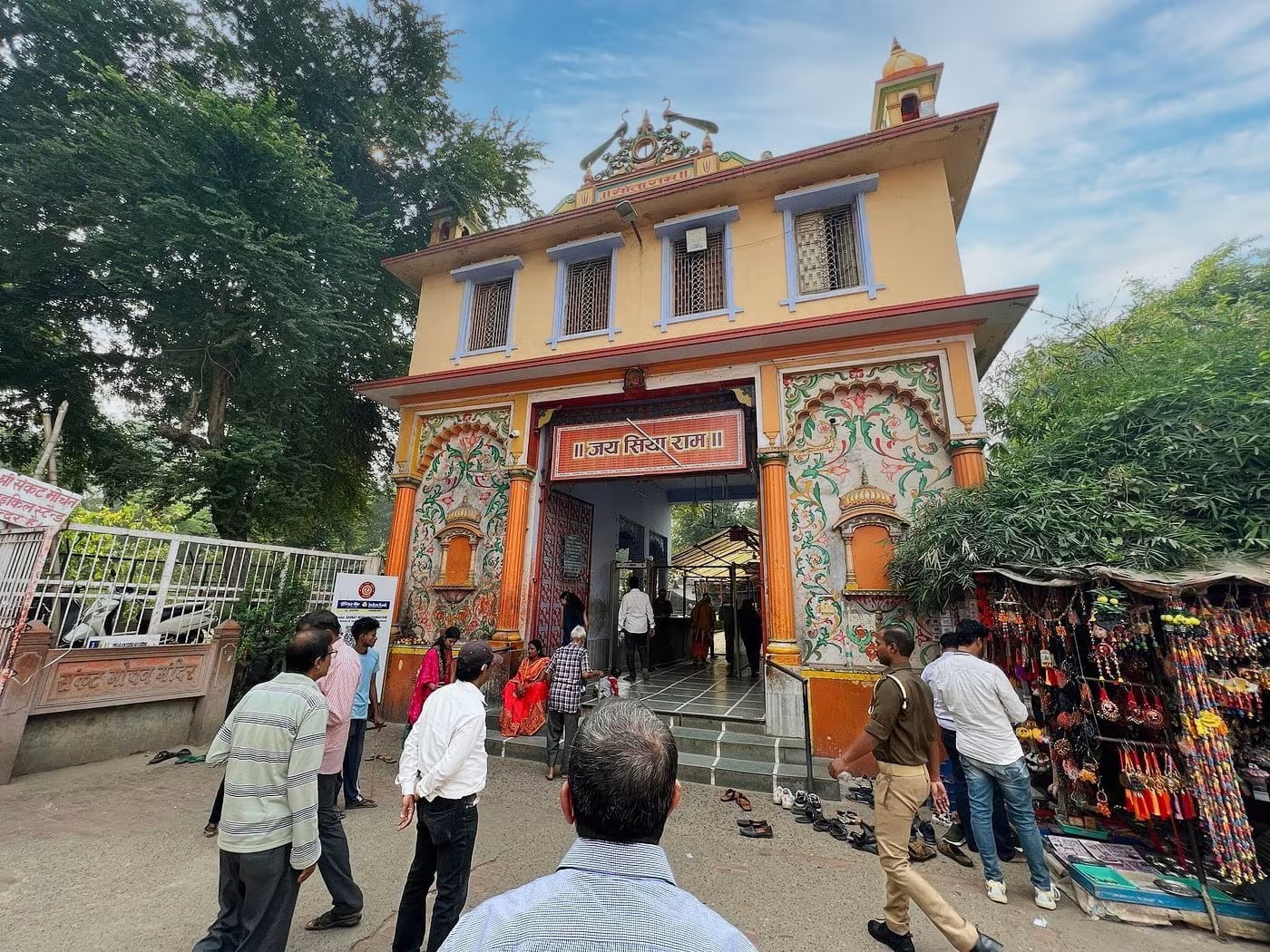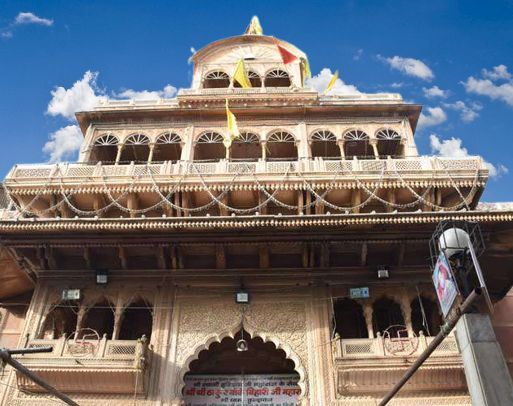
About Banke Bihari Temple
Located in the Bihari Pura area, the temple is known for its unique curtain-style darshan, traditional Krishna worship, and lively festival celebrations. It is an important pilgrimage destination for devotees of Radha and Krishna visiting Braj Bhoomi.
Highlights
· Location: Bihari Pura, Vrindavan, Mathura district, Uttar Pradesh
· Main Deity: Thakur Shri Banke Bihari Ji, a form of Lord Krishna
· Religious Significance: Worshipped in the Braj tradition as the united form of Radha and Krishna, also known as Shyama-Shyam
· Name Meaning: “Banke” refers to a graceful, bent posture, while “Bihari” refers to one who enjoys divine pastimes
· Unique Tradition: Curtain-style darshan, in which the curtain is opened and closed at short intervals
· History: According to temple tradition, the deity appeared to Swami Haridas at Nidhivan. The present temple is traditionally dated to 1862.
· Important Festivals: Janmashtami, Radha Ashtami, Holi, Sharad Purnima, and Bihar Panchami
Things to Know
· How to Reach: Mathura Junction is the main railway station used by many visitors and is approximately 14 km from the temple. Taxis, auto-rickshaws, and other local transport are available.
· Darshan Timings: Timings vary between summer and winter. Check the latest schedule through the temple's official website before visiting.
· Best Time to Visit: October to March is generally comfortable for exploring Vrindavan.
· Festival Crowds: Holi, Janmashtami, and other major occasions attract large crowds. Plan extra time for queues and travel.
· Walking and Traffic: The surrounding lanes are often crowded, and vehicles may not be able to reach the temple entrance directly.
· Entry Rules: Restrictions may apply to mobile phones, electronic gadgets, umbrellas, and other personal items. Check the current rules before arrival.
· Darshan Arrangements: The temple states that it does not operate a regular VIP darshan system. Follow official instructions and avoid unauthorised offers.
· Travel Tip: Wear comfortable footwear, keep valuables secure, and follow the directions of temple staff and local authorities.