About Bharat Mata Temple
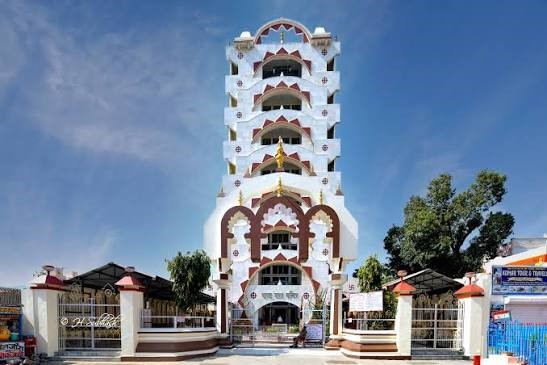
The temple was established by Swami Satyamitranand Giri and inaugurated in 1983. Its eight-storey structure features different themes related to India's spiritual traditions, respected personalities, freedom fighters and national heroes. Visitors can explore the different floors to learn about the country's cultural heritage while enjoying a peaceful atmosphere in the holy city of Haridwar.
Highlights
· Famous cultural and spiritual landmark in Haridwar
· Dedicated to Bharat Mata, or Mother India
· Established by Swami Satyamitranand Giri and inaugurated in 1983
· Known for its distinctive eight-storey structure
· Each floor represents a different theme connected with India's heritage
· Features statues and displays of spiritual figures, national heroes and freedom fighters
· Represents India's unity in diversity
· Offers visitors an opportunity to learn about Indian history and cultural traditions
· Located in the Sapt Sarovar area of Haridwar
· Can be included in a sightseeing trip to other popular places in Haridwar
Things to Know
· Bharat Mata Temple is located in Haridwar, Uttarakhand, in the Sapt Sarovar area.
· The temple honours Bharat Mata and represents India's cultural, historical and spiritual heritage.
· It was established by Swami Satyamitranand Giri and inaugurated in 1983.
· The temple has eight floors, each dedicated to a different aspect of India's traditions, history and national identity.
· Visitors can explore statues and displays associated with Hindu spiritual traditions, historical personalities and the freedom movement.
· Unlike many traditional temples, Bharat Mata Temple focuses on the country's heritage and unity rather than the worship of a single Hindu deity.
· Haridwar railway station is a convenient access point for visitors travelling by train.
· Visitors can reach the temple from Haridwar railway station by taxi, auto-rickshaw or other local transport.
· The temple can generally be visited throughout the year, depending on local conditions and opening hours.
· October to March is often a comfortable period for sightseeing because of the cooler weather.
· Summer afternoons can be hot, while festivals and holidays may bring larger crowds.
· Temple opening hours may change, so confirm the latest timings before travelling.
· Wear comfortable footwear, carry drinking water during warm weather and allow enough time to explore the different floors.
· Follow visitor rules, respect the cultural significance of the temple and help keep the surroundings clean.