About Bhavishya Badri
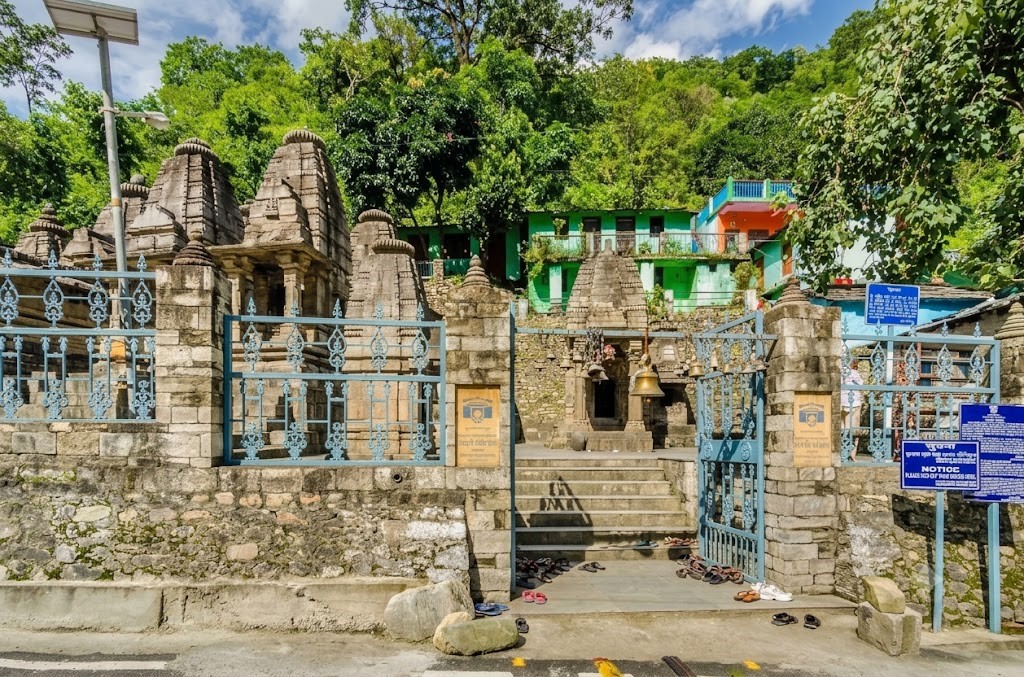
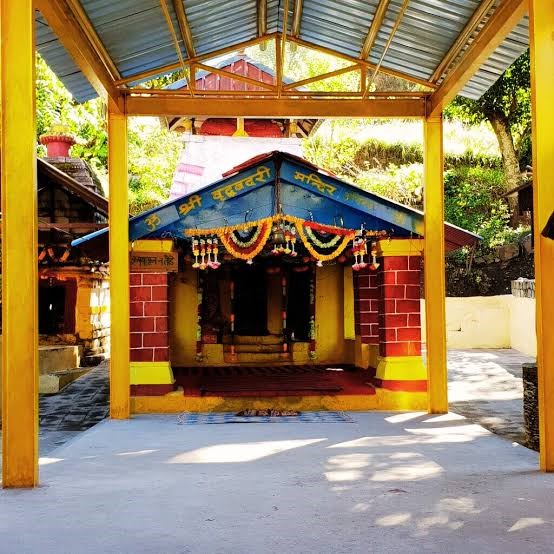
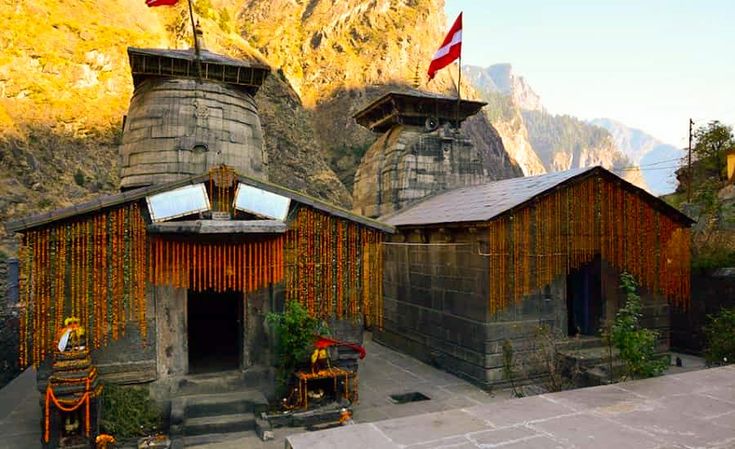
Bhavishya Badri is one of the five sacred temples of the Panch Badri pilgrimage circuit, which is dedicated to Lord Vishnu. The name Bhavishya Badri means “Badrinath of the future.” According to Hindu tradition, the temple is associated with the belief that it will become an important place of worship if the present Badrinath shrine becomes inaccessible in a future age. The temple is dedicated to Lord Vishnu in his Narasimha form, and devotees visit to offer prayers and seek blessings.
Highlights
· One of the five sacred temples of the Panch Badri pilgrimage circuit
· Dedicated to Lord Vishnu in his Narasimha form
· Located near Subain village in Chamoli district
· Situated at an altitude of approximately 2,744 metres
· Known as the “Badrinath of the future”
· Traditionally associated with the future of the Badrinath pilgrimage
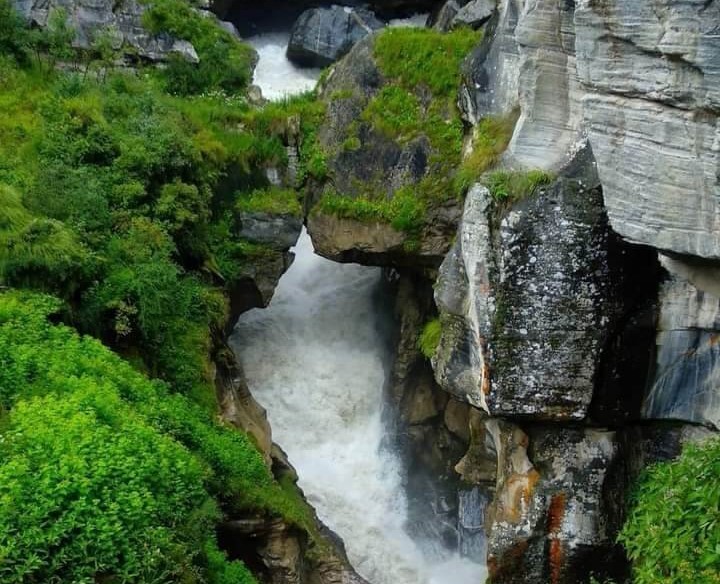
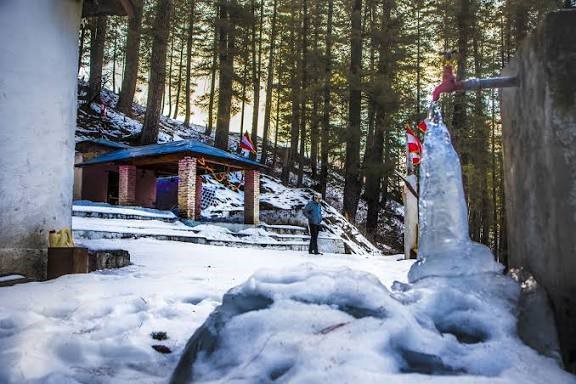
· Surrounded by dense forests, cedar trees and Himalayan mountain scenery
· Offers a peaceful setting for prayer and spiritual reflection
· Requires a trek from the end of the motorable road
· An important destination for devotees exploring the sacred temples of Uttarakhand
Things to Know
· Bhavishya Badri Temple is located near Subain village in Chamoli district, Uttarakhand, approximately 17 km from Joshimath.
· The temple is dedicated to Lord Vishnu in his Narasimha form, which is traditionally depicted with a lion-like face.
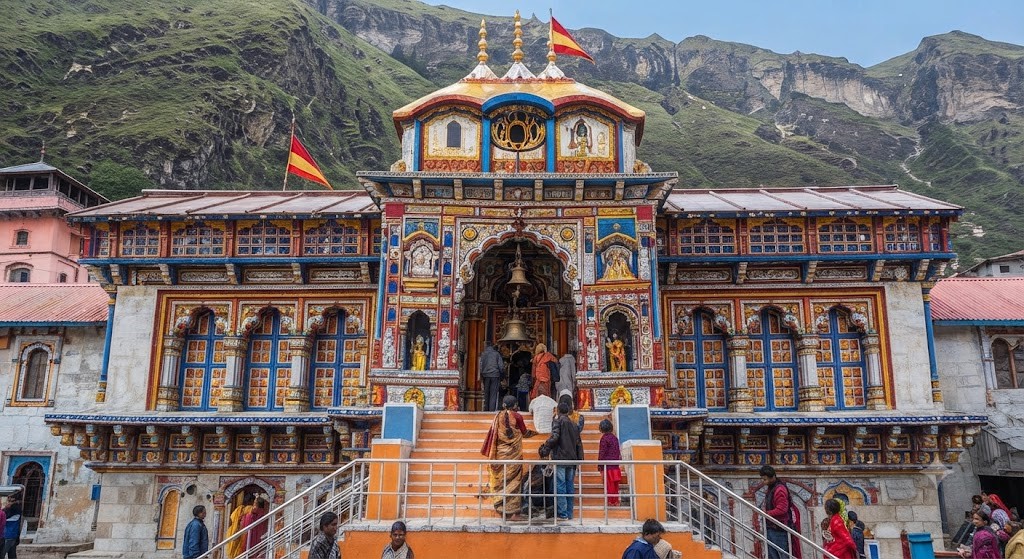
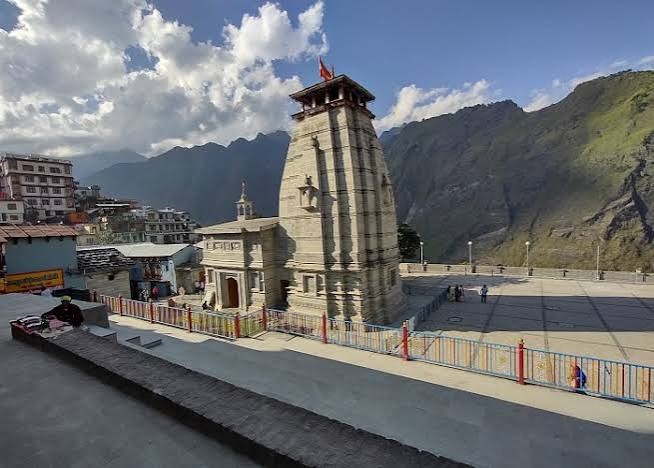
· It is part of the Panch Badri pilgrimage circuit, along with Badrinath, Yogdhyan Badri, Vriddha Badri and Aadi Badri.
· According to Hindu tradition, Bhavishya Badri will become an important place of worship if the present Badrinath shrine becomes inaccessible in a future age. This is a religious belief rather than a confirmed prediction.
· Visitors generally travel from Joshimath towards Saldhar and continue on foot along a trekking route of approximately 6 km. The actual distance and route conditions may vary.
· The trekking path passes through forested areas and mountain slopes, with uneven sections that require careful walking.
· March to May and September to November are generally considered suitable periods to visit, depending on weather and trail conditions.
· Snowfall, heavy rain and cold temperatures can make the trek difficult, particularly during winter and the monsoon season.
· Temple access and opening arrangements may vary, so confirm the latest information locally before travelling.
· Rishikesh is a commonly used railway access point, while Jolly Grant Airport near Dehradun is a major airport option for reaching the region.
· Wear sturdy trekking shoes, carry warm clothing, drinking water, snacks and basic first-aid supplies.
· Start early and allow enough time for the return journey. Avoid trekking alone during poor weather or low visibility.
· Carry back all waste, respect local traditions and help preserve the surrounding forest environment.