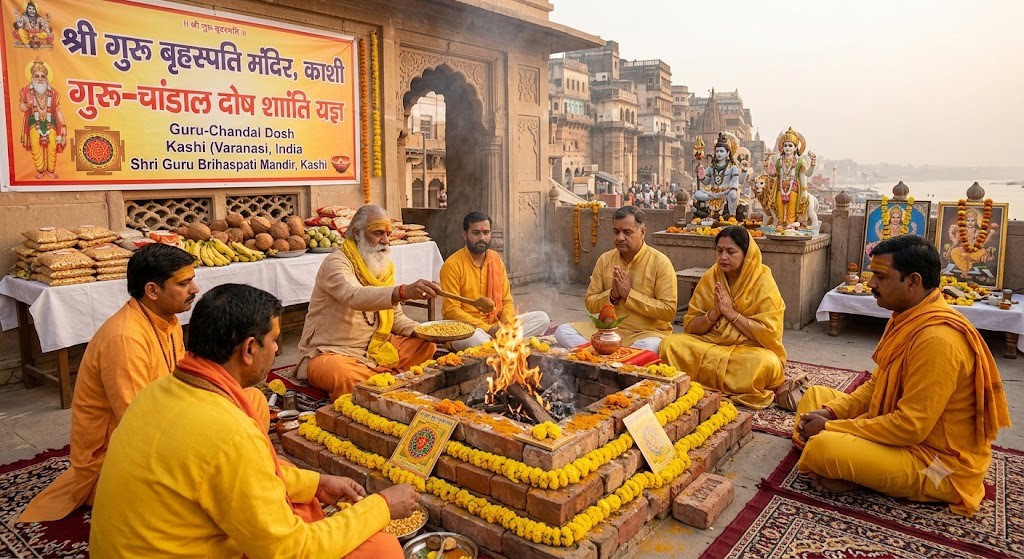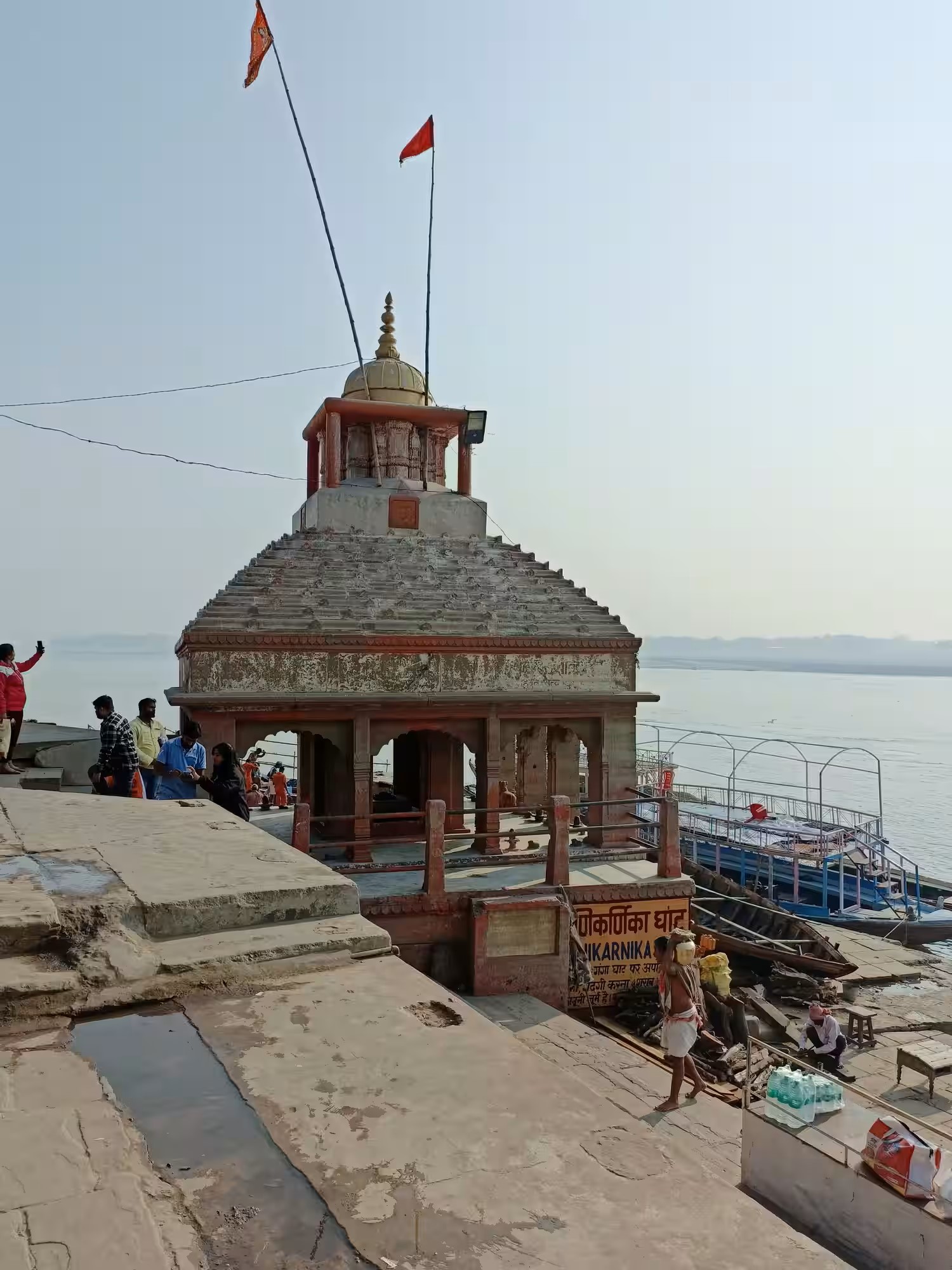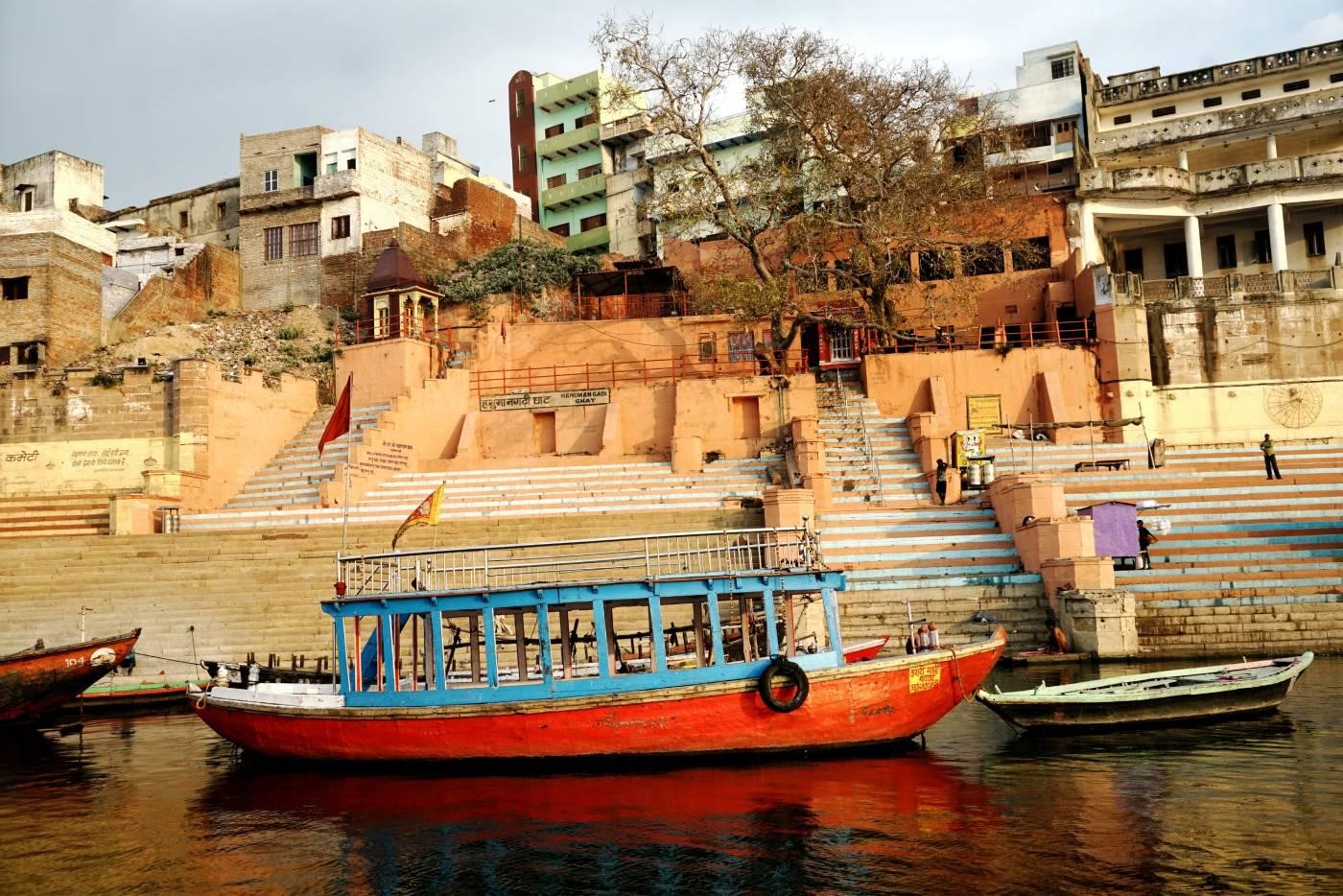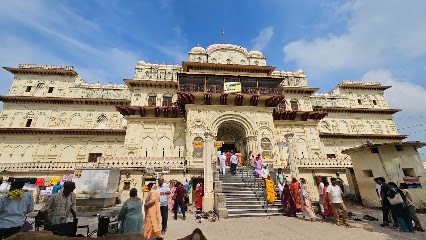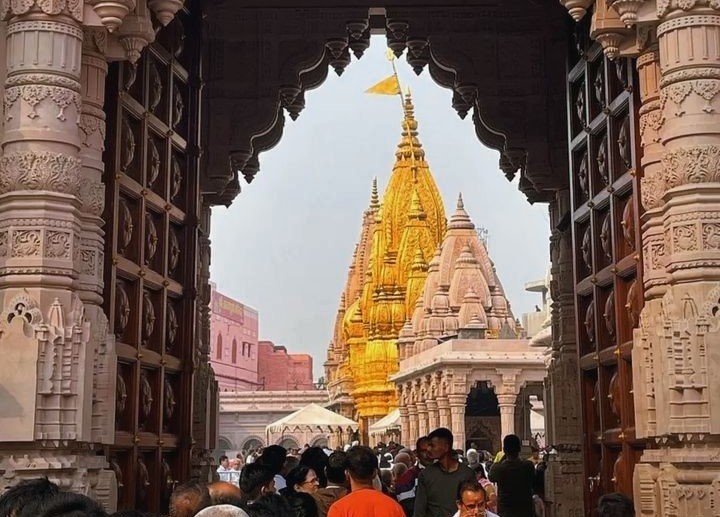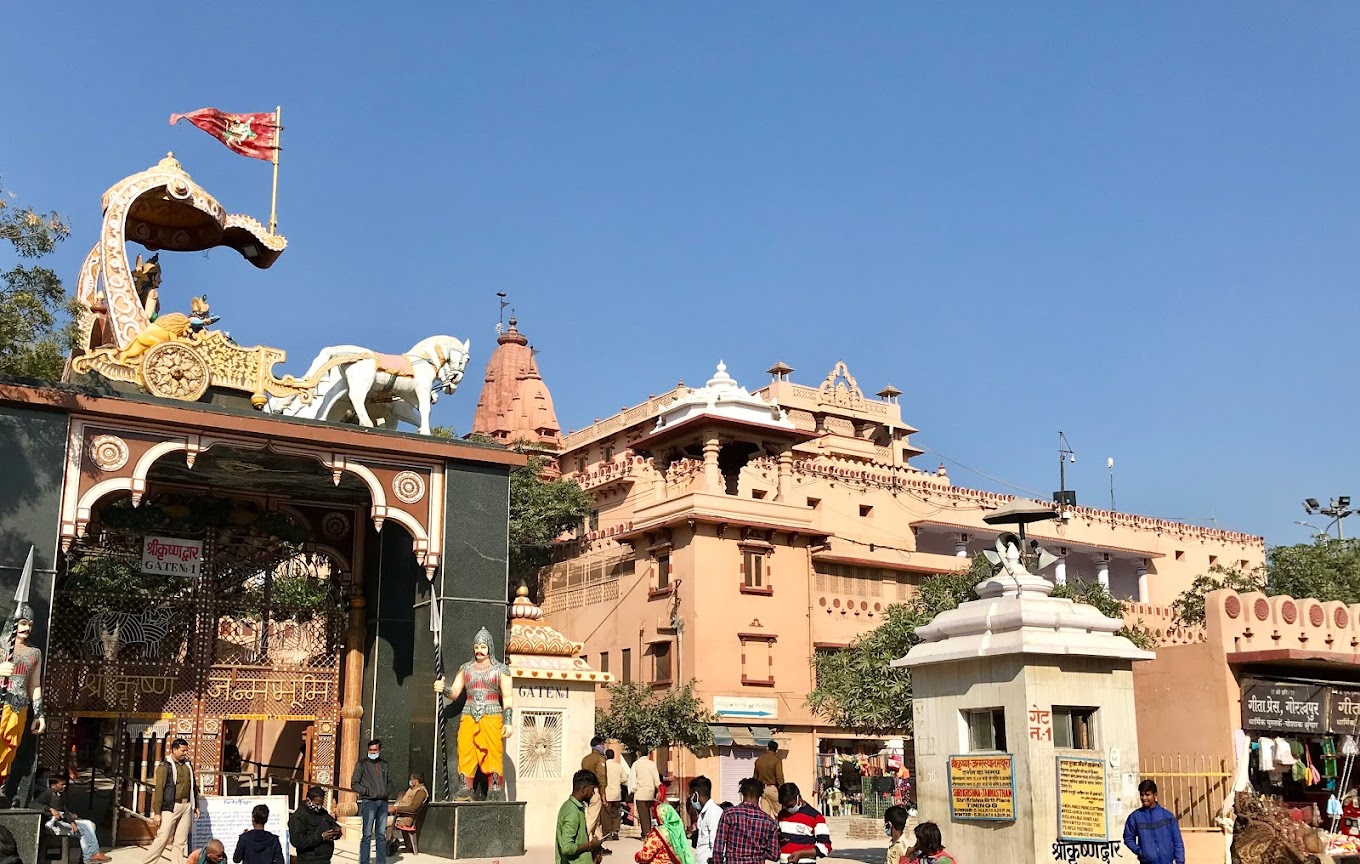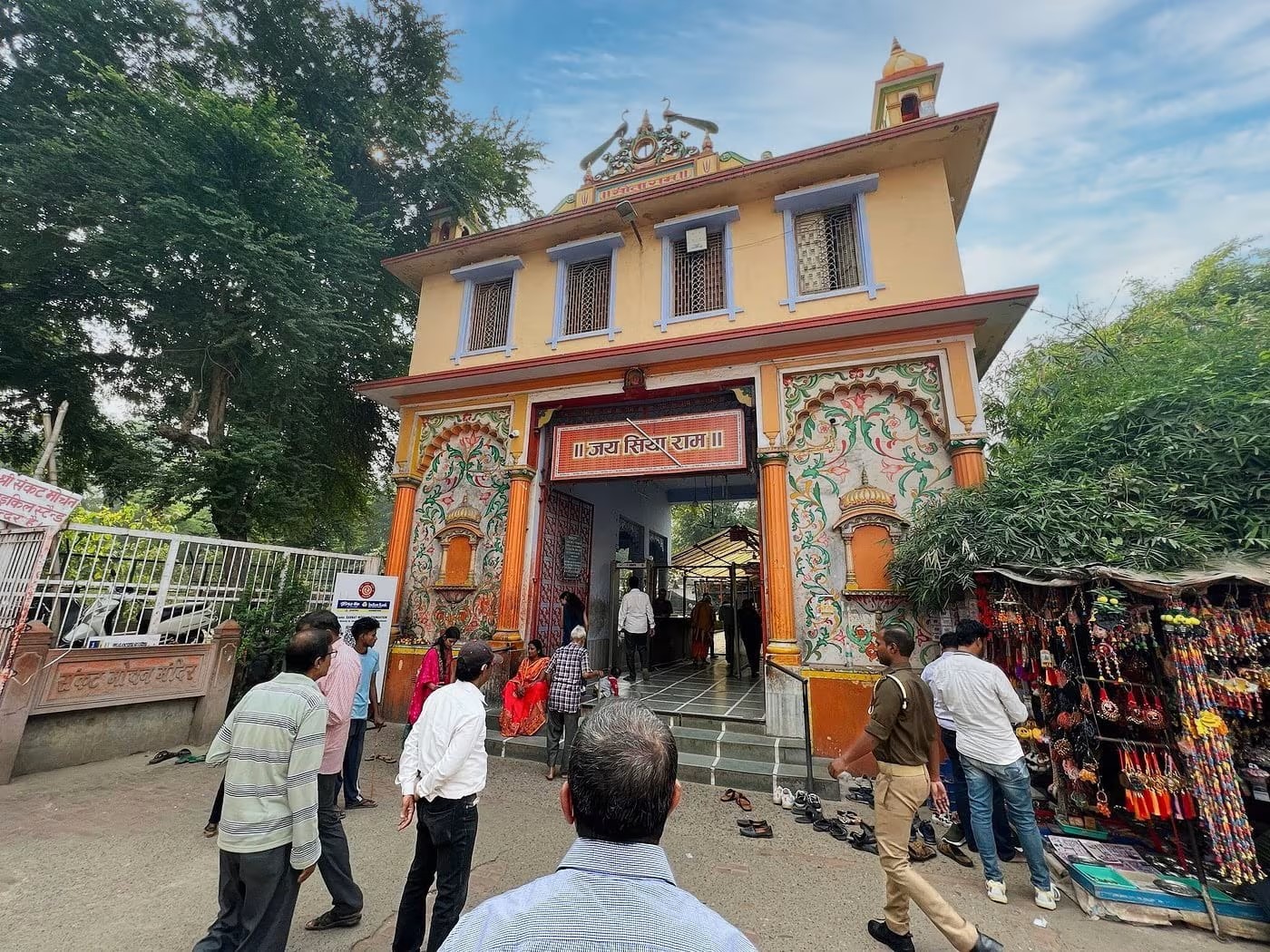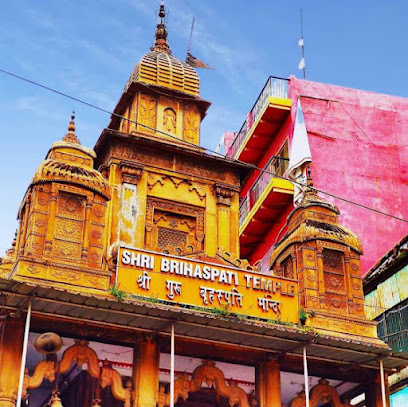
About Shri Guru Brihaspati Temple
The shrine is part of the many sacred places found in Kashi. Devotees visit to offer prayers and seek blessings for wisdom, knowledge, good guidance, and spiritual growth. The temple also has a religious connection with Lord Shiva through traditions associated with Brihaspateshvara.
Highlights
· Location: Old city of Varanasi, Uttar Pradesh, near the Kashi Vishwanath area and Dashashwamedh Ghat.
· Main Deity: Devguru Brihaspati, the divine teacher of the gods in Hindu tradition.
· Religious Significance: Brihaspati is associated with wisdom, learning, knowledge, and good counsel.
· Astrological Connection: In Vedic astrology, Brihaspati is linked with Guru or Jupiter.
· Shiva Connection: Local religious tradition connects the shrine with a Shiva lingam known as Brihaspateshvara.
· Auspicious Day: Thursday, known as Guruvar, is traditionally considered an important day for Brihaspati worship.
· Traditional Offerings: Some devotees offer yellow flowers, yellow cloth, and other items according to their family customs and temple rules.
Things to Know
· How to Reach: Visitors can travel to Varanasi by train, road, or air. From Godowlia, the temple can generally be reached on foot through the narrow lanes of the old city.
· Best Time to Visit: October to March is generally comfortable for exploring the temples and ghats of Varanasi.
· Darshan Timings: Local listings report timings of 6:00 AM–12:00 PM and 4:00 PM–8:00 PM, but these have not been confirmed through an official temple website. Check locally before visiting.
· Thursday Visits: Devotees planning Guru-related worship may prefer Thursday, but should confirm any special rituals in advance.
· Travel Tips: Vehicle access may be limited in the old city, so allow time for walking and check the temple's exact location before travelling.
· Temple Etiquette: Remove footwear where required, follow rules for offerings and photography, and respect local customs.
· Visitor Safety: Keep personal belongings secure in crowded lanes and market areas.