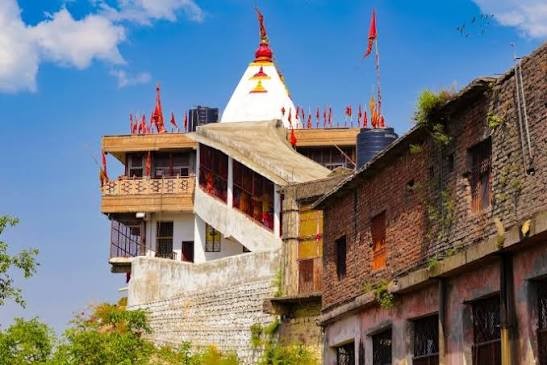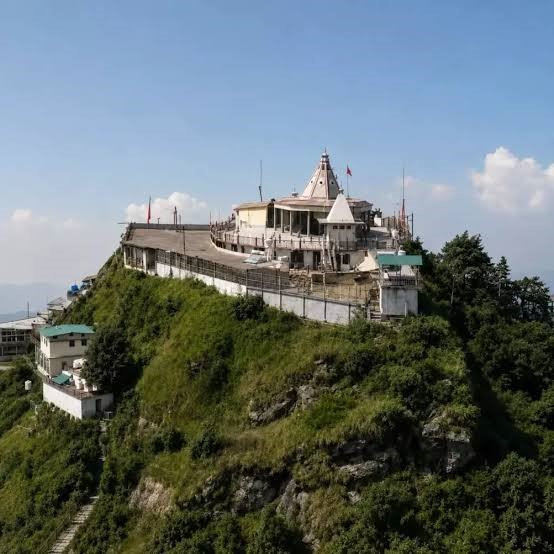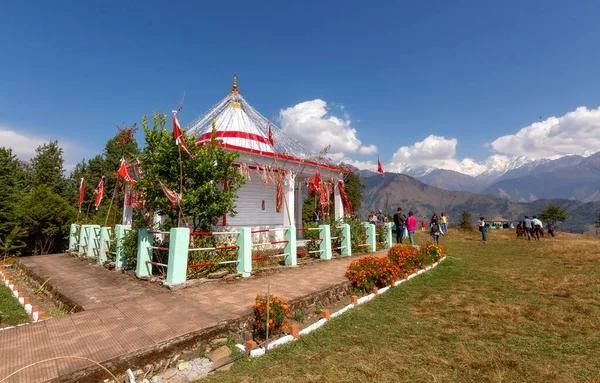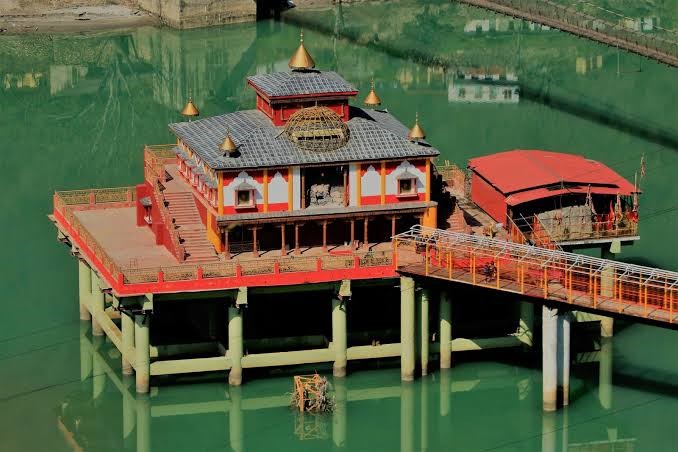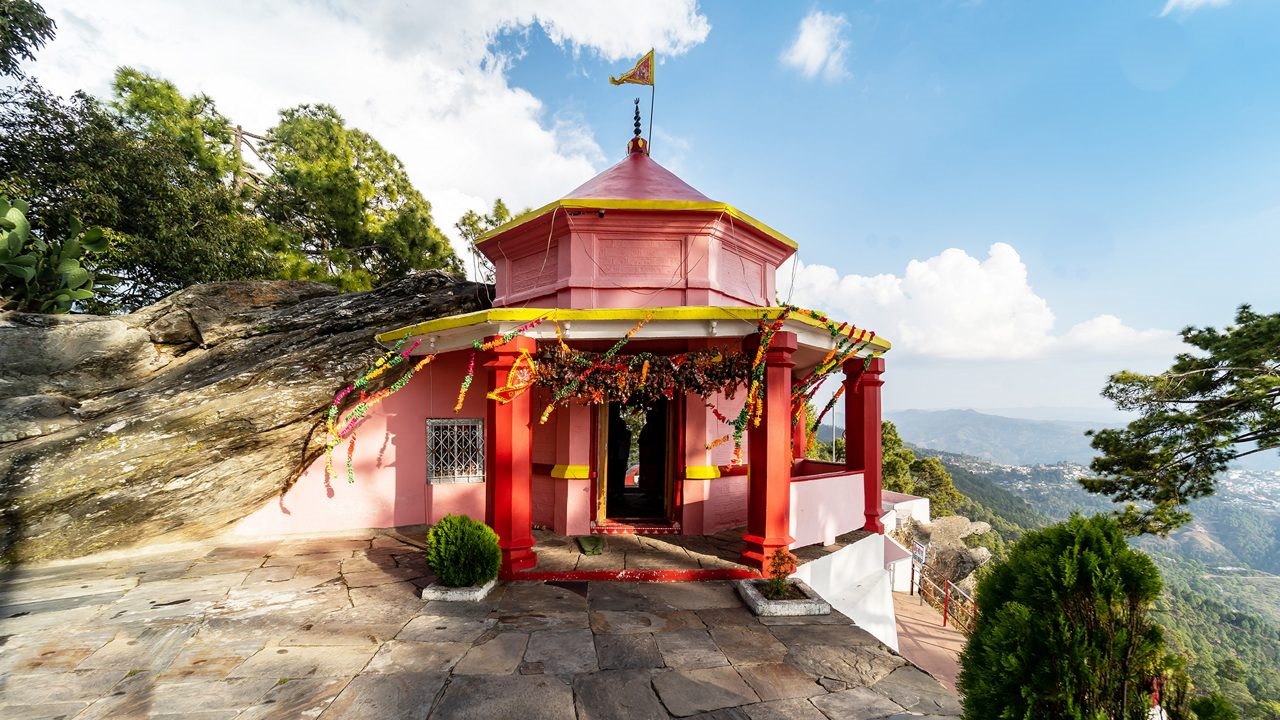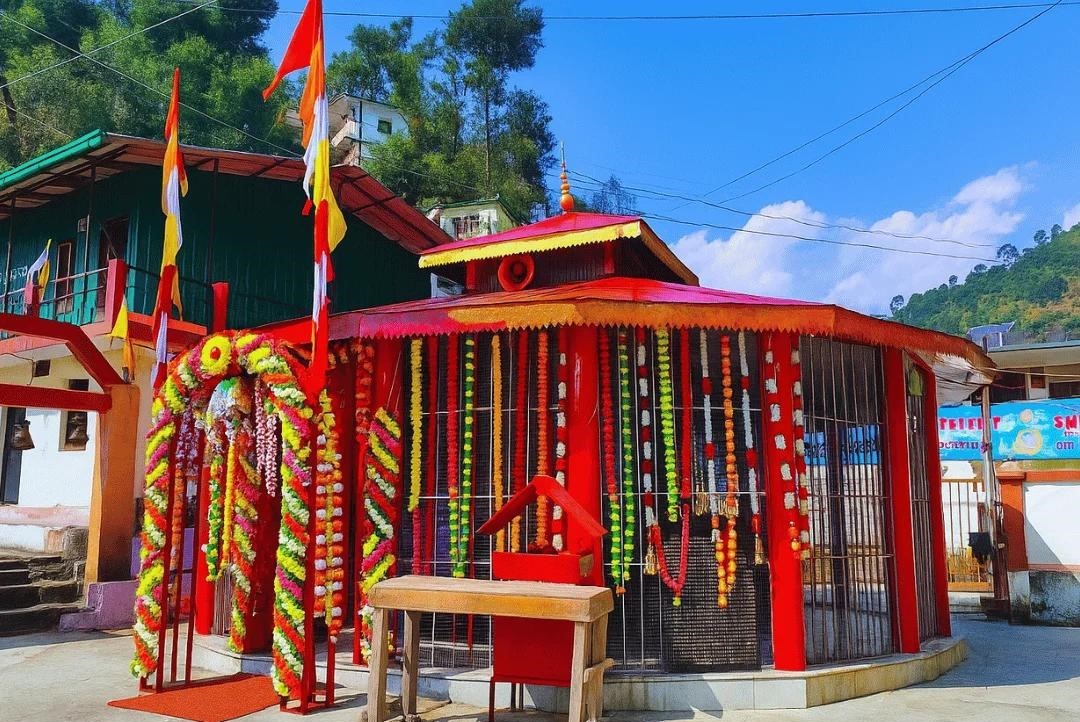
About Kalimath Temple
According to Hindu mythology, Goddess Kali defeated the demon Raktabeej at this place and then disappeared into the earth. Kalimath is traditionally regarded as a Siddha Peeth. Unlike many temples where the main deity is worshipped through an idol, the central object of worship here is a sacred Sri Yantra covered by a silver plate. According to local tradition, the plate is opened for special worship on the eighth day of Navratri. The temple complex also includes shrines dedicated to Goddess Lakshmi, Goddess Saraswati, Gauri Shankar Mahadev, and Bhairav.
Highlights
· Religious Significance: Kalimath is traditionally regarded as a Siddha Peeth dedicated to Goddess Kali and the worship of Shakti.
· Sacred Sri Yantra: The main object of worship is a sacred Sri Yantra covered by a silver plate instead of a conventional idol.
· Navratri Celebrations: The temple is especially important during Navratri, when devotees gather for special prayers and rituals.
· Other Shrines: The temple complex includes shrines dedicated to Goddess Lakshmi, Goddess Saraswati, Gauri Shankar Mahadev, and Bhairav.
· Himalayan Setting: Located near the Saraswati River, the temple is surrounded by the scenic mountains and natural beauty of the Garhwal region.
· Connection with Dhari Devi: Kalimath is associated with Dhari Devi Temple through local religious traditions linked to different forms of the Goddess.
Things to Know
· Location: Kalimath village, Ukhimath area, Rudraprayag district, Uttarakhand.
· Altitude: Approximately 1,800 metres above sea level.
· How to Reach: The temple can be reached by road from Guptkashi, Ukhimath, and Rudraprayag. Taxis and local shared transport may be available depending on the season.
· Nearest Railway Station: Rishikesh is a major railway access point for travellers continuing by road.
· Nearest Airport: Jolly Grant Airport near Dehradun is the nearest major airport commonly used for travel to this region.
· Best Time to Visit: March to June and September to November are generally suitable periods, depending on weather and road conditions.
· Festival Visits: Navratri is an important time to visit, but the temple may be crowded during special ceremonies. Check worship arrangements and timings in advance.
· Travel Tips: Carry warm clothing, confirm transport availability, and check road conditions before travelling, especially during the monsoon and winter.
· Visitor Guidelines: Respect temple customs, follow instructions from temple authorities, and keep the temple premises and surrounding natural areas clean.