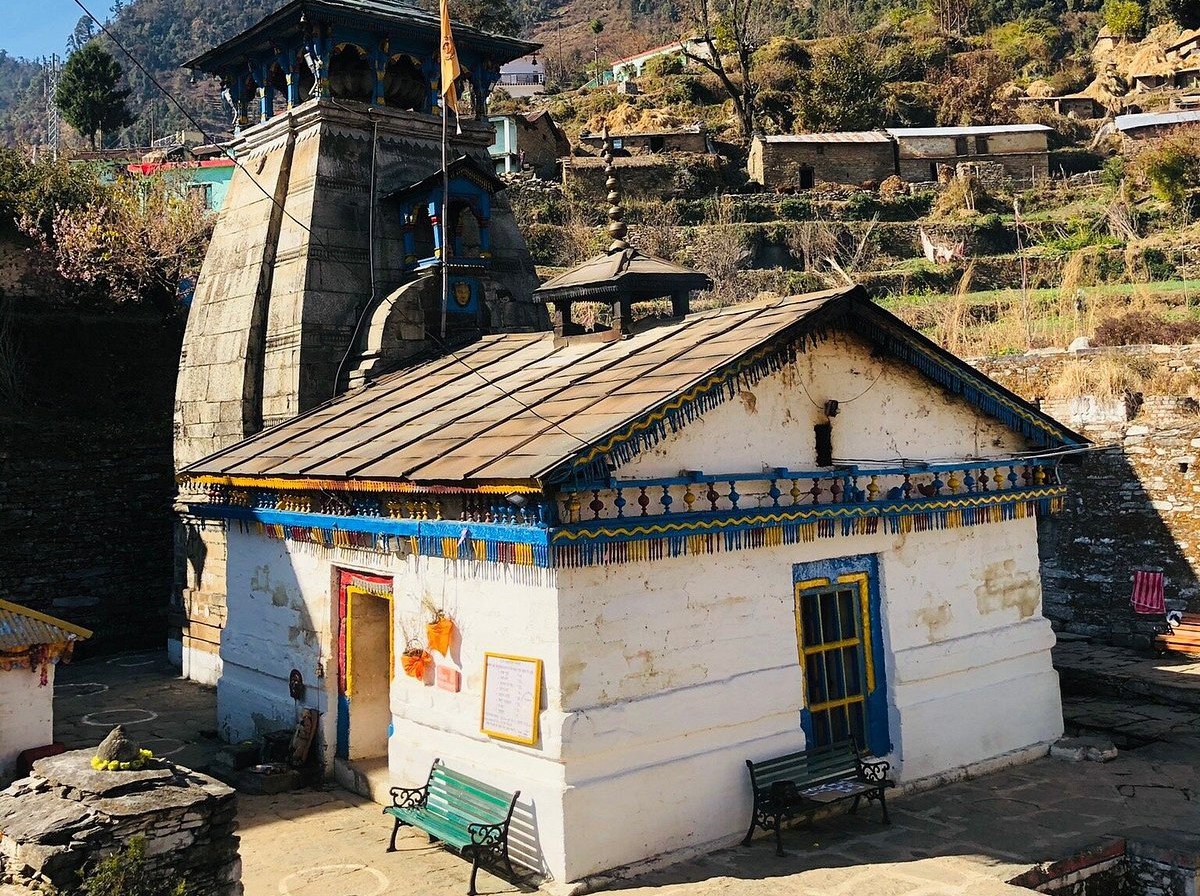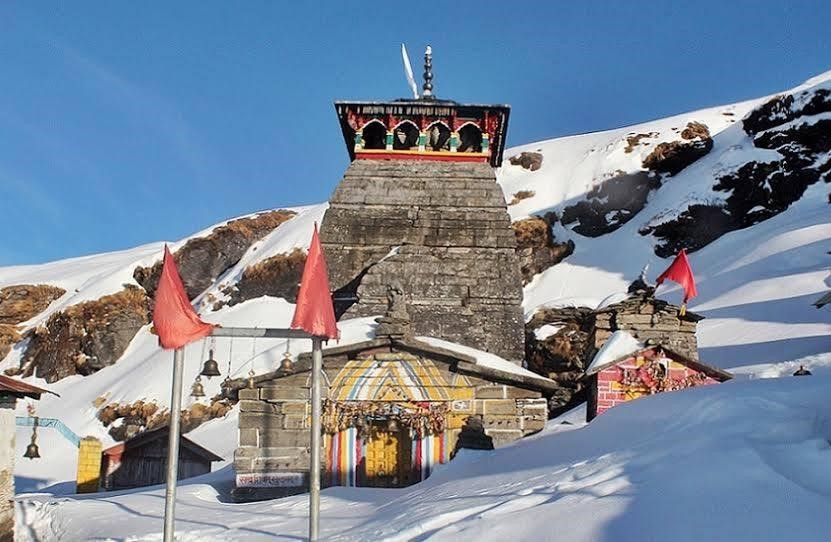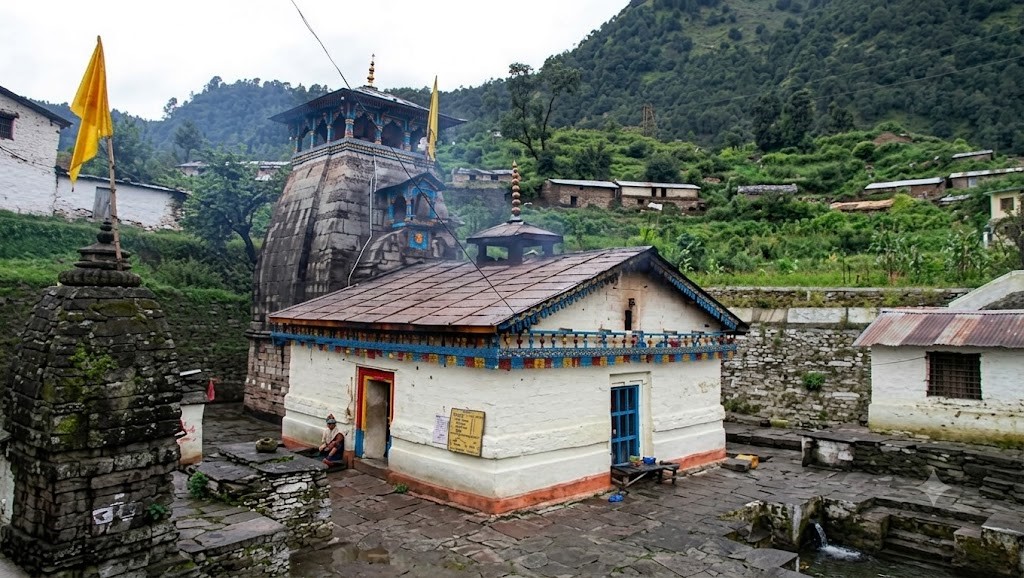
About Kalpeshwar
Inside the temple, devotees worship a natural rock formation believed to represent Lord Shiva's matted hair. The temple is also linked to the traditional story of the Pandavas and their search for Lord Shiva. Visitors can combine their darshan with a visit to nearby villages and other spiritual places in the Chamoli region.
Highlights
· One of the five sacred temples of the Panch Kedar pilgrimage
· Dedicated to Lord Shiva
· Known for the worship of Lord Shiva's matted hair, or Jata
· Located in Urgam Valley, Chamoli district
· Small temple set within a natural cave
· Traditionally associated with the Pandavas
· Linked to the legend of Sage Durvasa and the Kalpavriksha
· Surrounded by Himalayan scenery and traditional mountain villages
· Considered the fifth and final temple of the Panch Kedar circuit
· Generally accessible throughout the year, depending on road and weather conditions
Things to Know
· Kalpeshwar Temple is located in Urgam Valley in Chamoli district, Uttarakhand.
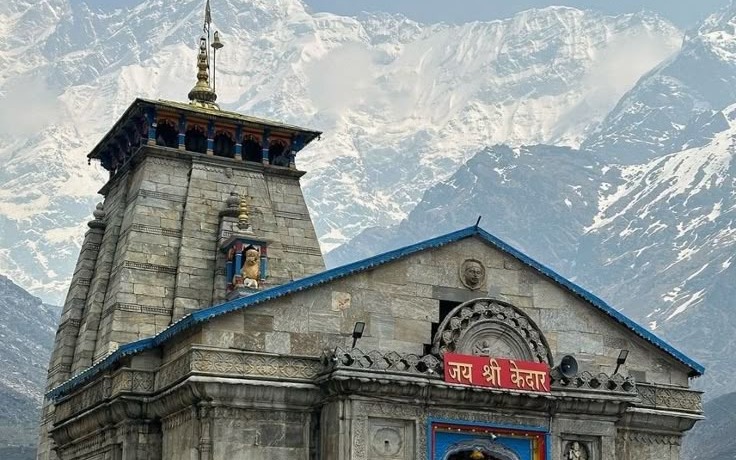
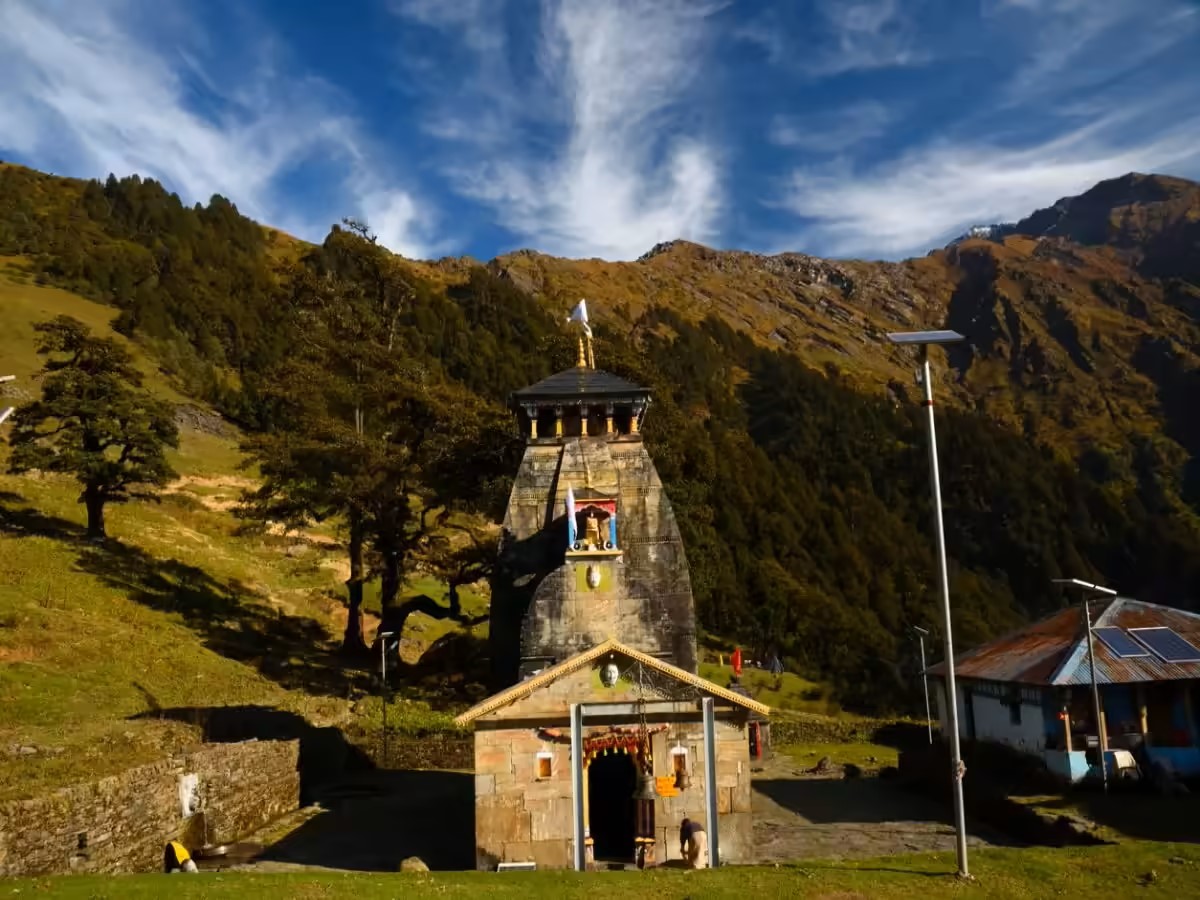
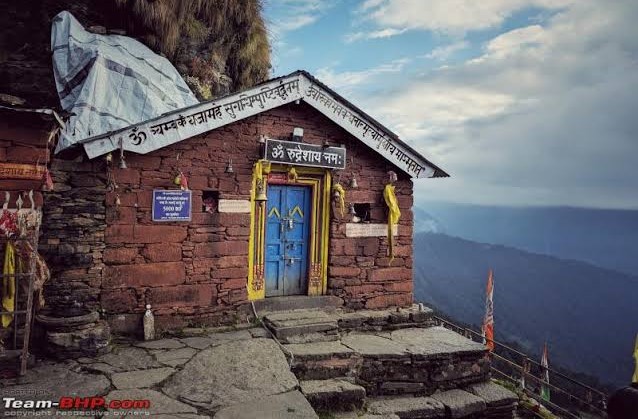
· The temple is dedicated to Lord Shiva and is part of the Panch Kedar circuit, along with Kedarnath, Tungnath, Rudranath and Madhyamaheshwar.
· According to Hindu tradition, Lord Shiva's matted hair appeared at this sacred site.
· The temple is situated at an elevation of approximately 2,200 metres above sea level.
· Helang, on the Rishikesh–Badrinath highway, is an important turning point for reaching Urgam Valley.
· Visitors can travel by road towards Urgam village and continue on foot to the temple. The walking distance depends on road access and route conditions.
· Kalpeshwar is traditionally known as the only Panch Kedar temple accessible throughout the year.
· Snow, rain and road conditions can affect the journey, especially during winter.
· Maha Shivaratri is an important festival for devotees of Lord Shiva.
· Temple timings may vary, so confirm darshan and aarti timings locally before travelling.
· Rishikesh is a major railway access point, while Jolly Grant Airport near Dehradun is commonly used for air travel to the region.
· Wear comfortable walking shoes and carry warm clothing, drinking water and other basic travel supplies.