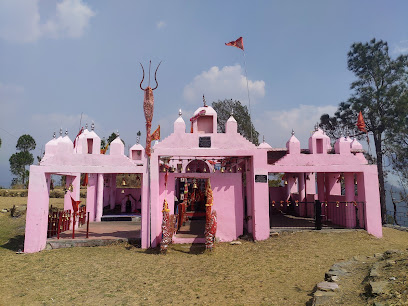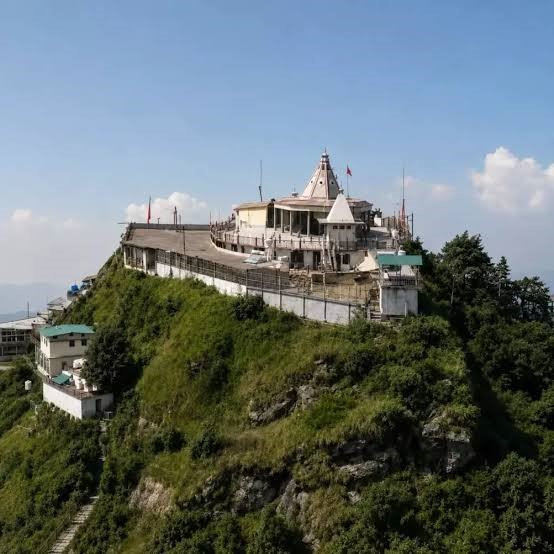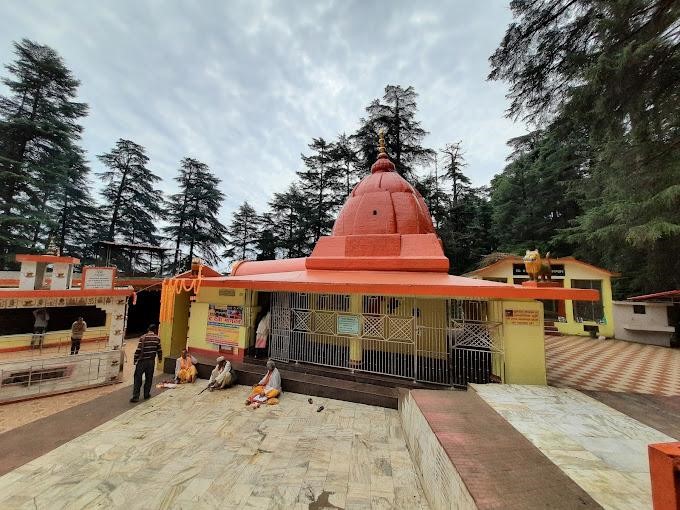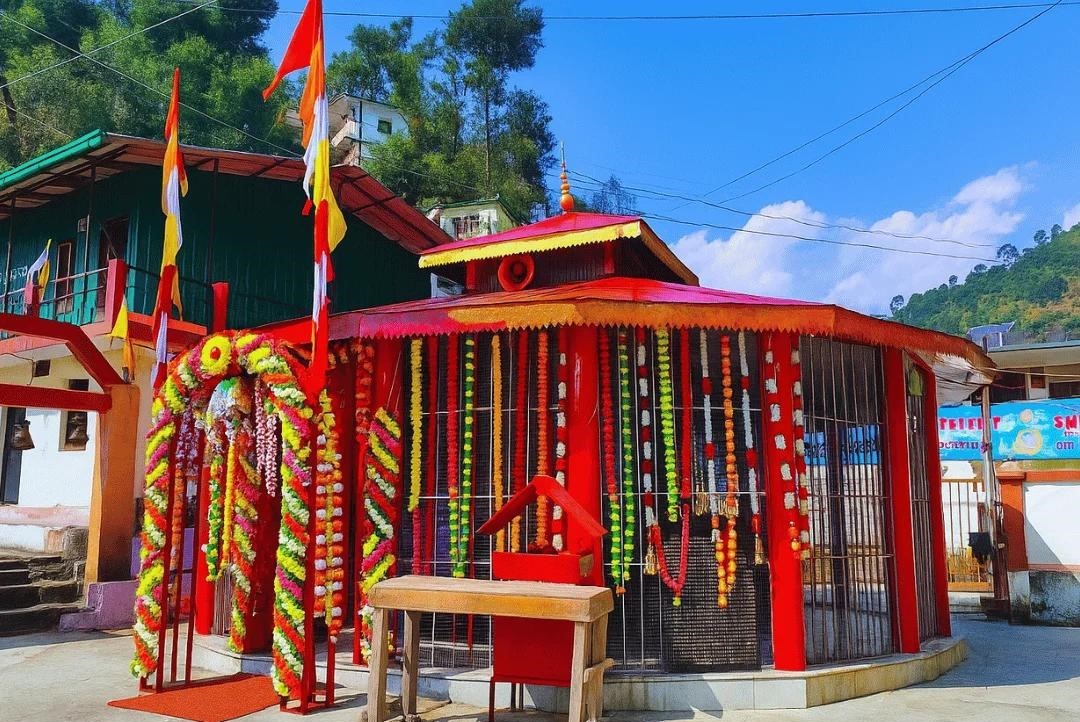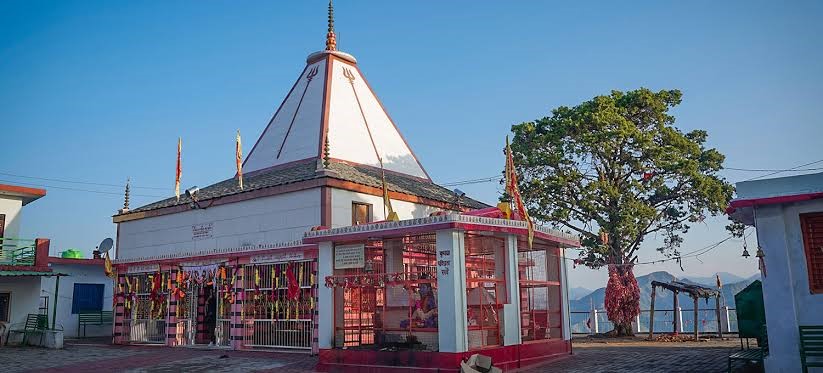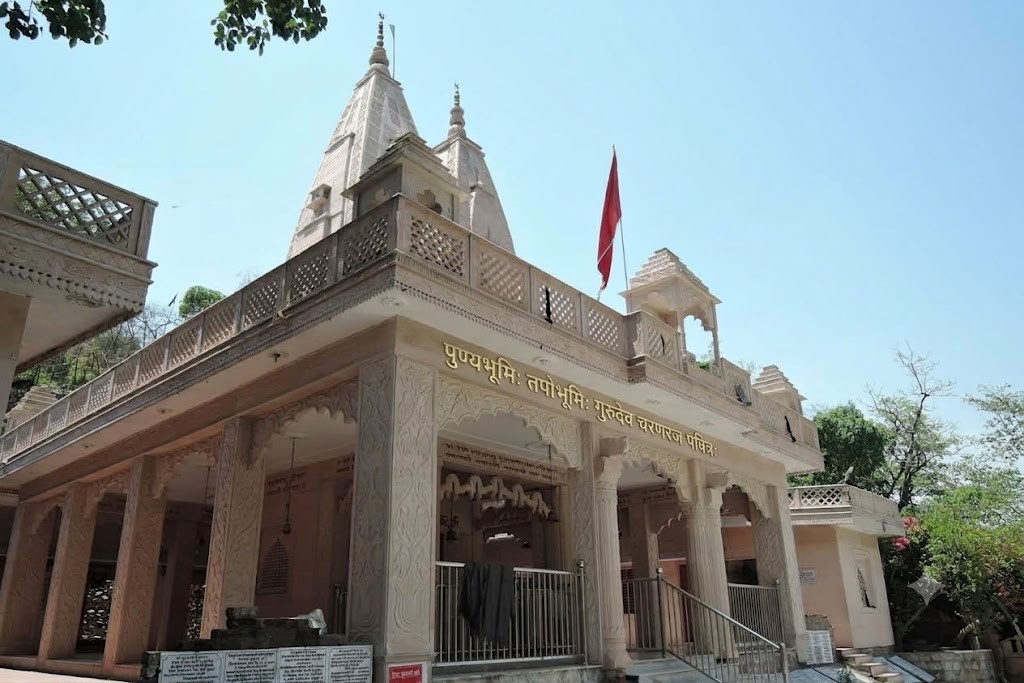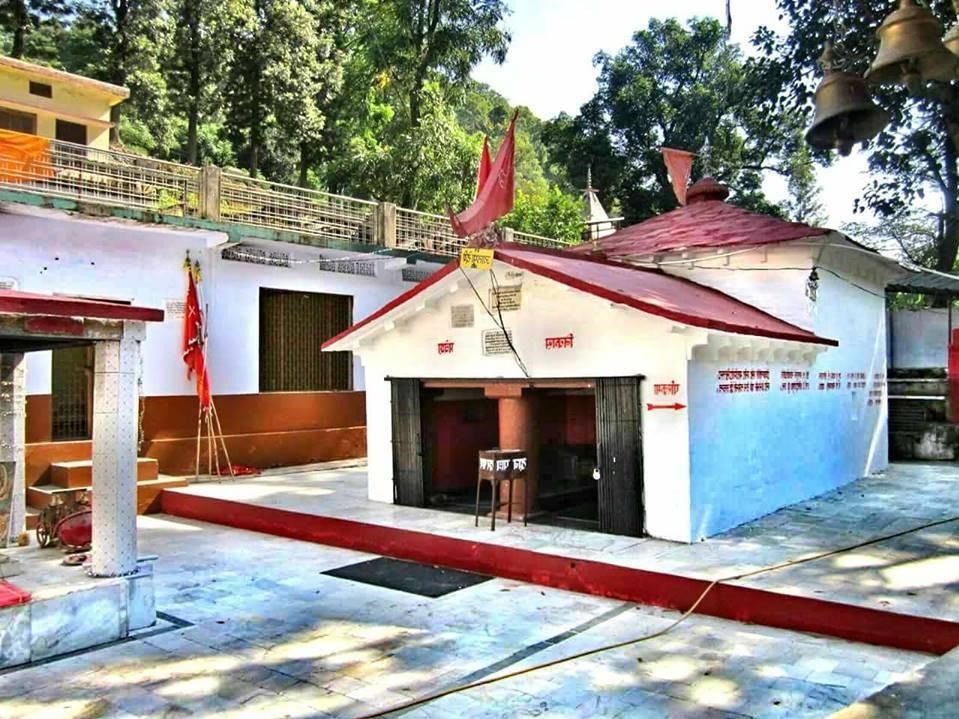
About Jwalpa Devi Temple
According to a legend associated with the Skanda Purana, Shachi, the daughter of the demon king Puloma, worshipped Goddess Shakti at this place because she wished to marry Lord Indra. The Goddess is believed to have appeared before her as Deeptimaan Jwaleshwari and granted her wish. This story forms an important part of the temple's religious traditions. Devotees visit Jwalpa Devi Temple to seek blessings for their families, well-being, and personal wishes. Unmarried women also traditionally offer prayers here for a suitable life partner. Navratri is one of the most important times at the temple, when special prayers and ceremonies attract many devotees.
Highlights
· Religious Significance: The temple is dedicated to Goddess Jwalpa Devi, a form of Goddess Shakti associated with strength and protection.
· Religious Legend: According to traditional accounts, Shachi worshipped the Goddess here to seek the blessings of Lord Indra.
· Spiritual Importance: Local devotees regard the shrine as a Siddhpeeth and an important centre of Shakti worship.
· Navratri Celebrations: Chaitra Navratri and Sharad Navratri are important occasions for special prayers and religious ceremonies.
· Basant Panchami Fair: A fair is also associated with Basant Panchami, reflecting the temple's role in local religious traditions.
· Scenic Location: Situated beside the Nayar River, the temple is surrounded by forested hills and the natural beauty of the Garhwal Himalayas.
· Historical Traditions: Local accounts associate the temple with Adi Shankaracharya and the Anthwal family, traditionally recognised for its priestly role.
Things to Know
· Location: Along the Pauri–Kotdwar road, on the northern bank of the Nayar River, Pauri Garhwal district, Uttarakhand.
· Distance: Approximately 33 km from Pauri and around 17 km from Satpuli.
· How to Reach: The temple is accessible by road from Pauri, Satpuli, Kotdwar, and nearby towns. Taxis and local transport may be available depending on the route.
· Best Time to Visit: March to June and September to November are generally suitable periods for travel, depending on weather and road conditions.
· Festival Visits: Navratri is a particularly popular time to visit. Expect larger crowds and allow extra time for travel and darshan.
· Travel Tips: Wear comfortable footwear, check road conditions before travelling, and confirm temple timings and festival dates locally.
· Accommodation: If you plan to stay overnight, check accommodation availability in nearby towns in advance.
· Visitor Guidelines: Wear respectful clothing, follow local worship customs, and keep the temple premises and riverbank clean.