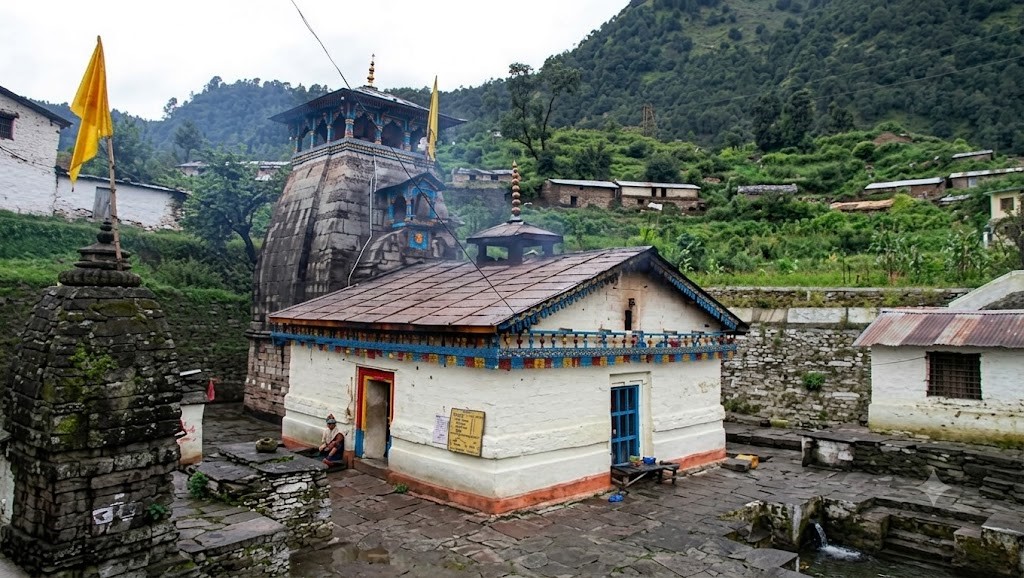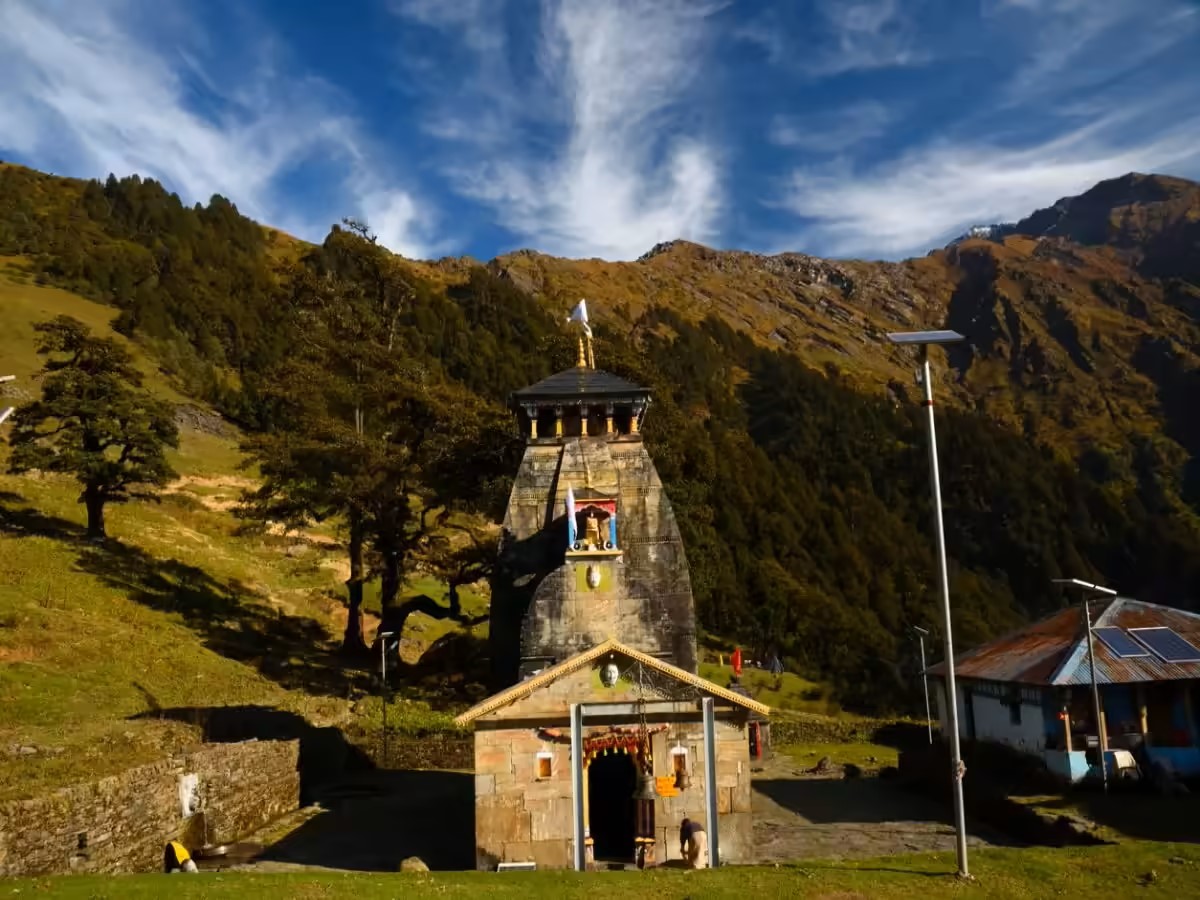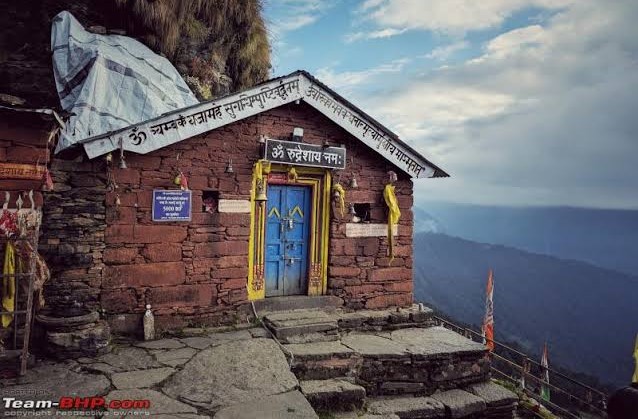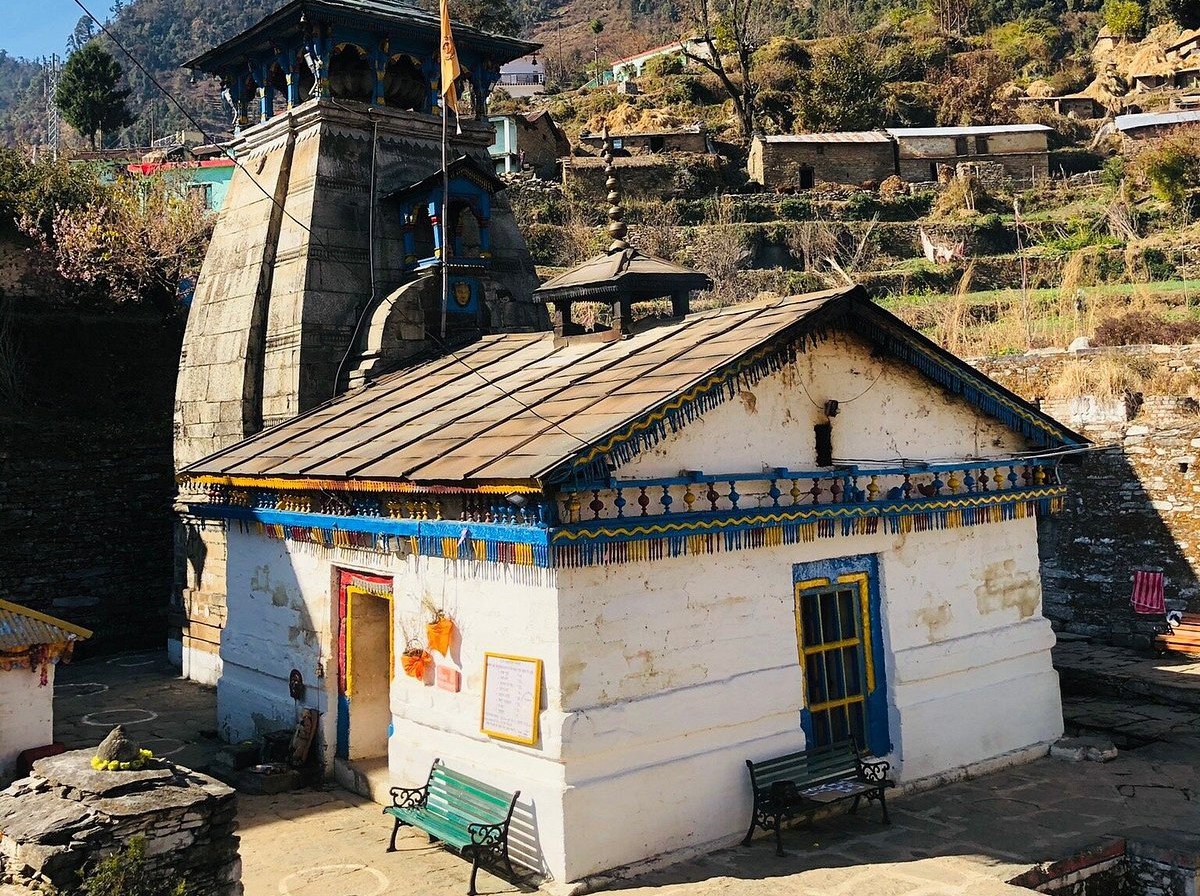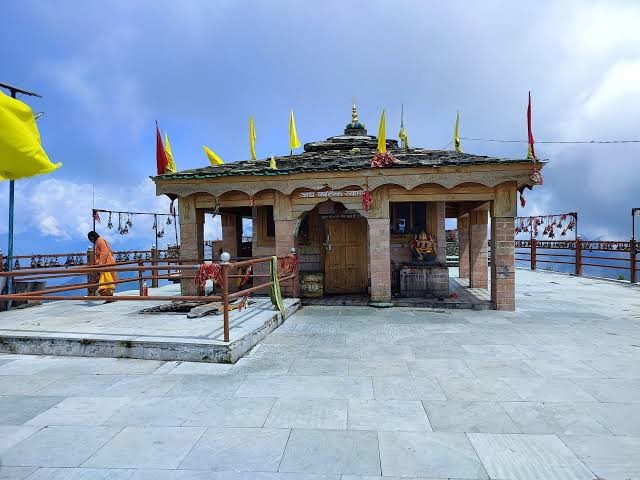
About Kartik Swamy Temple
The temple is dedicated to Lord Kartikeya, the son of Lord Shiva and Goddess Parvati. He is worshipped as the god of war and the commander of the divine army in Hindu tradition. According to local legend, Lord Kartikeya offered his bones to Lord Shiva as a sign of devotion. Devotees visit the temple to offer prayers and seek blessings. Reaching the shrine involves an uphill trek from Kanakchauri village, making the journey a memorable part of the pilgrimage.
Highlights
· Dedicated to Lord Kartikeya, the son of Lord Shiva and Goddess Parvati
· Located on Kronch Parvat in Rudraprayag district
· Situated at an elevation of approximately 3,048 metres
· Known for its peaceful hilltop setting and scenic Himalayan views
· Traditionally associated with a local legend about Lord Kartikeya's devotion to Lord Shiva
· Also connected with the worship of Skanda, Murugan and Subramanya
· Reached by a mountain trek from Kanakchauri village
· Surrounded by forest trails and natural mountain scenery
· Kartik Purnima is an important religious occasion at the temple
· Popular among pilgrims, trekkers and nature lovers
Things to Know
· Kartik Swami Temple is located on Kronch Parvat near Kanakchauri village in Rudraprayag district, Uttarakhand.
· The temple is dedicated to Lord Kartikeya, who is also known as Skanda, Murugan and Subramanya in different parts of India.
· According to local tradition, Lord Kartikeya offered his bones to Lord Shiva as a symbol of devotion. This story forms part of the temple's religious significance.
· The temple stands at an elevation of approximately 3,048 metres above sea level.
· Kanakchauri village is the usual starting point for the trek to the temple.
· The trekking route is commonly described as approximately 3 km, although the distance may vary depending on the starting point and trail conditions.
· The trail includes uphill sections and steps, so visitors should be prepared for physical effort.
· Kartik Purnima is an important occasion for worship and religious gatherings at the temple.
· March to June and September to November are generally suitable periods to visit, depending on local weather conditions.
· Monsoon rain can make the trail slippery and cause travel delays, while winter may bring cold temperatures and snowfall.
· Rudraprayag is approximately 38–40 km from Kanakchauri by road, depending on the route.
· Rishikesh is a commonly used railway access point, while Jolly Grant Airport near Dehradun is a major airport option for reaching the region.
· Wear sturdy trekking shoes, carry drinking water, snacks and warm clothing, and start early to allow enough time for the return trek.
· Check road and weather conditions before travelling, avoid trekking during heavy rain or poor visibility, and keep the trail clean.